
Over the last two decades, Gurgaon has emerged as one of India’s most powerful real estate and business ecosystems. Once a suburban extension of Delhi, the city is now a global corporate hub, home to Fortune 500 companies, unicorn startups, and high-net-worth investors.
For businessmen, real estate is not merely an asset. It is a strategic tool for wealth creation, capital preservation, and portfolio diversification. Among India’s major cities, residential property in Gurgaon stands out due to its exceptional combination of economic growth, infrastructure development, and consistent demand.
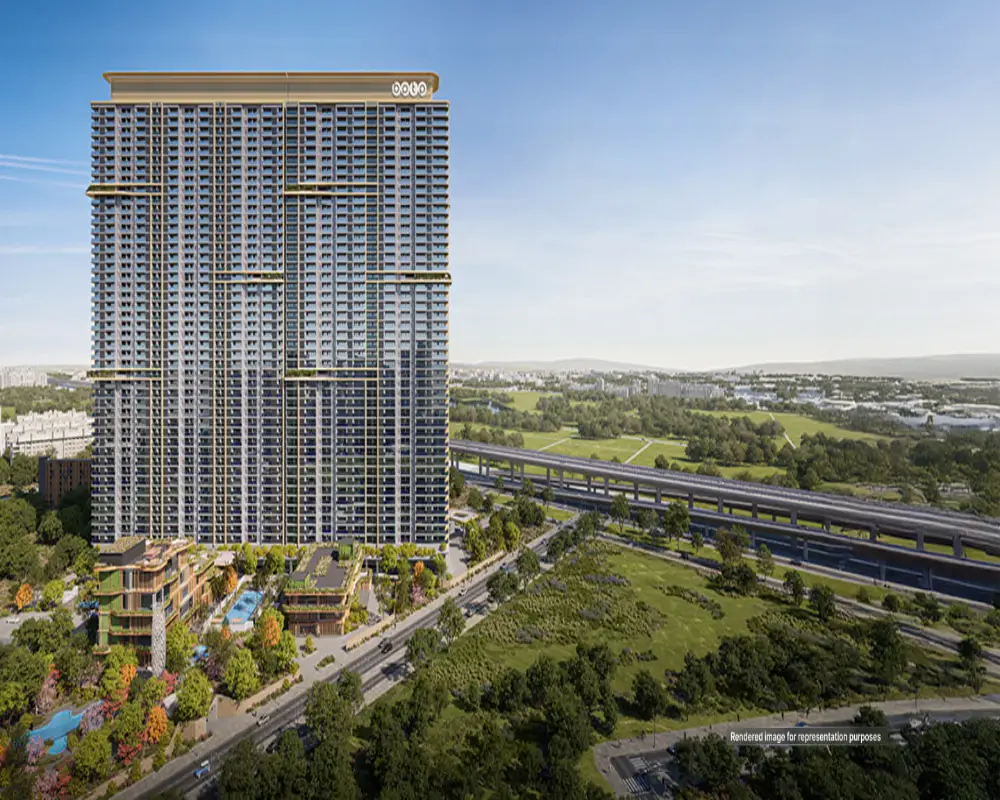
With rising interest in luxury apartments, integrated townships, and gurgaon new flats projects, Gurgaon continues to attract investors who think beyond short-term returns and focus on long-term value.
1. Gurgaon’s Economic Strength: A Magnet for Capital
Gurgaon contributes significantly to Haryana’s GDP and is one of India’s largest corporate clusters. According to industry estimates, the city hosts over 250 Fortune 500 companies and more than 7,000 startups and enterprises across IT, finance, consulting, manufacturing, and e-commerce.
This corporate density directly fuels housing demand, making properties in Gurgaon structurally stronger than speculative markets.
For businessmen, this means one thing: investment demand is backed by real economic activity, not just sentiment.
2. Real Estate Market Growth: Numbers That Matter
Gurgaon’s residential property market has demonstrated consistent growth over the years. According to property market reports:
- Average residential property prices in Gurgaon have grown by 8–12% annually over the last decade.
- Prime micro-markets such as Golf Course Road and Dwarka Expressway have witnessed appreciation of 15–20% in select phases.
- The average price of premium residential property ranges between ₹12,000 to ₹25,000 per sq. ft., depending on location and project quality.
These figures highlight why residential property in Gurgaon is considered a high-growth asset among businessmen and institutional investors.
3. Rental Yield: One of the Highest in India
Rental income is a critical metric for investors. Gurgaon consistently ranks among the top Indian cities in rental returns.
- Average rental yield in Gurgaon ranges between 3% and 5% annually.
- In premium locations and high-demand sectors, yields can reach 6–7%.
- Monthly rental values for mid-to-premium apartments range from ₹35,000 to ₹1.5 lakh+, depending on location and amenities.
The city’s strong rental ecosystem is driven by corporate professionals, expatriates, and entrepreneurs who prefer living close to workplaces.
For businessmen, this makes properties in Gurgaon a dual-income asset, offering both capital appreciation and recurring cash flow.
4. Infrastructure: The Real Driver of Property Value
Over the last few years, Gurgaon has witnessed an unprecedented wave of infrastructure development. Between 2023 and 2026, the city has seen some of its most transformative projects take shape that fundamentally reshaped the value of residential property in Gurgaon.
For businessmen and long-term investors, infrastructure is not just about convenience; it is a powerful indicator of future property appreciation.
i) Dwarka Expressway: The New Growth Spine of Gurgaon
The Dwarka Expressway, also known as the Northern Peripheral Road, has emerged as one of the most influential infrastructure projects in the NCR region. Stretching across approximately 27.6 kilometres and designed as an eight-lane elevated corridor, it directly connects Dwarka in Delhi to Gurugram.
As a result, areas along the Dwarka Expressway have witnessed a sharp rise in demand for housing, with multiple Gurgaon new flats projects being launched in its vicinity.
ii) Gurugram Metro Expansion: Strengthening Urban Mobility
The project, spearheaded by Gurugram Metro Rail Limited (GMRL) with an estimated investment of ₹5,500 crore, aims to significantly improve connectivity across key residential and commercial zones. In Gurgaon, this expansion is expected to further boost the attractiveness of properties in Gurgaon, particularly in emerging residential zones that are currently undervalued but strategically located.
iii) Cloverleaf Interchange and NH-48 Upgrades: Redefining Traffic Flow
The completion of the massive Cloverleaf interchange marks a critical milestone in Gurgaon’s infrastructure evolution. This interchange connects the Dwarka Expressway with the Southern Peripheral Road (SPR) and NH-48, dramatically improving traffic movement across key corridors.
iv) Southern Peripheral Road (SPR): A High-Speed Urban Corridor
The Southern Peripheral Road (SPR), spanning approximately 16.5 kilometres, has become a vital link connecting Golf Course Extension Road with NH-8. Designed as a high-speed urban corridor, SPR plays a crucial role in connecting several premium residential and commercial zones.
v) KMP Expressway: Expanding Gurgaon’s Regional Influence
The Kundli-Manesar-Palwal (KMP) Expressway, stretching over 135 kilometres, has significantly improved regional connectivity across Haryana. By linking key industrial hubs such as Manesar, the expressway has accelerated economic activity in the region. This has contributed to rising interest in residential property in Gurgaon, especially in sectors located near industrial corridors.
vi) Sector 80 Infrastructure Upgrades: Strengthening Emerging Zones
Sector 80 has recently received a major infrastructure boost with an investment of ₹41.8 crore aimed at road widening, improved traffic management, and enhanced connectivity near the Dwarka Expressway and NH-48.
5. Rise of Premium and New Residential Projects
The residential market in Gurgaon is evolving from conventional housing to premium lifestyle-driven projects. Developers are increasingly focusing on smart homes, sustainable architecture, and integrated communities.
Recent trends show that:
- Over 50% of new launches in Gurgaon belong to the mid-to-premium segment.
- Luxury residential projects have grown by 30–35% in the last five years.
As a result, Gurgaon new flats projects are increasingly positioned as long-term investment assets rather than mere housing options.
6. Risk Mitigation and Portfolio Diversification
Businessmen often face volatility in business cycles, equity markets, and global economic trends. Real estate, particularly residential property, provides stability in uncertain times.
By investing in residential property in Gurgaon, businessmen achieve:
- Risk diversification across asset classes
- Inflation protection
- Tangible asset ownership
- Long-term wealth preservation
Compared to commercial real estate, residential property offers lower vacancy risk and more predictable demand, making it a preferred choice among conservative and growth-oriented investors alike.
7. Micro-Markets: Where Smart Investors Focus
Not all areas in Gurgaon grow at the same pace. Experienced businessmen often analyse micro-markets before investing.
Some of the fastest-growing residential zones include:
- Dwarka Expressway
- Golf Course Extension Road
- Sohna Road
- New Gurgaon sectors (82–95)
Understanding such micro-market dynamics requires careful analysis of price trends, supply pipelines, and long-term urban planning. This is where data-driven market insights become increasingly valuable for investors.
8. Interpreting Market Trends: The Role of Research and Insight
Modern real estate investment is no longer driven by intuition alone. Businessmen increasingly rely on structured market analysis, demand forecasts, and project-level evaluation before making decisions.
At Realysis Infratech, we track evolving trends in Gurgaon’s residential market, including emerging corridors, price movements, and buyer behaviour.
Such analytical perspectives help investors interpret market signals and align their real estate strategies with long-term growth opportunities rather than short-term speculation.
9. Gurgaon’s Long-Term Outlook: A Market Built for Growth
The future of Gurgaon’s residential real estate looks structurally strong. With continuous corporate expansion, infrastructure investments, and urban development, the city is expected to remain one of India’s most attractive property markets.
Market forecasts suggest that:
- Residential property prices in Gurgaon could grow by 10–14% annually over the next decade in high-growth zones.
- Demand for premium housing is expected to rise by 25–30% as income levels and lifestyle expectations increase.
For businessmen, these projections reinforce one conclusion: investing in properties in Gurgaon is not a trend—it is a long-term strategic decision.
Gurgaon’s appeal to businessmen is rooted in fundamentals, not hype. Economic strength, infrastructure growth, demographic demand, rental potential, and capital appreciation collectively position the city as one of India’s most compelling residential real estate markets.
If you are looking for your next investment opportunity in Gurgaon, understanding where the real growth is happening becomes critical.
Realysis Infratech focuses on analysing Gurgaon’s residential real estate landscape to identify high-potential investment zones and emerging growth corridors. Let’s talk!